

Navigating Vaginal Dryness Especially During Menopause
Tips for Relief and Comfort: A significant stage in a woman’s life is this thing called menopause, marking the end of reproductive years and bringing about a host of physical changes. Among these changes, vaginal dryness is a common yet often understated concern that can substantially affect a woman’s quality of life. It is good to understand the causes, and how we can manage and develop strategies, and dietary choices, which can be used to empower women, to navigate this transition alot more comfortably.
At the heart of vaginal dryness is the decline in estrogen levels during perimenopause and menopause.
Estrogen plays a crucial role in maintaining the health and moisture of vaginal tissues. As it drops however, our vaginal lining can thin out and lose its elasticity. This then leads to discomfort and dryness.
Fortunately, there are several approaches women can take to manage these symptoms effectively.
Embrace a Nutrient-Rich Diet
Diet can play a pivotal role in managing menopausal symptoms, including vaginal dryness.
Foods rich in phytoestrogens, such as soy products, flaxseeds, and legumes, can mimic estrogen’s effects in the body. Start by incorporating these foods. These may promote hormonal balance and improve moisture levels. Additionally, drinking plenty of water is important and we all know this! Couple this and consuming healthy fats found in avocados, nuts, and olive oil can help maintain overall hydration, potentially aiding vaginal lubrication.
Explore Hormonal Therapies
Localized vaginal estrogen therapy is a common treatment that involves the application of estrogen directly to the vaginal area.
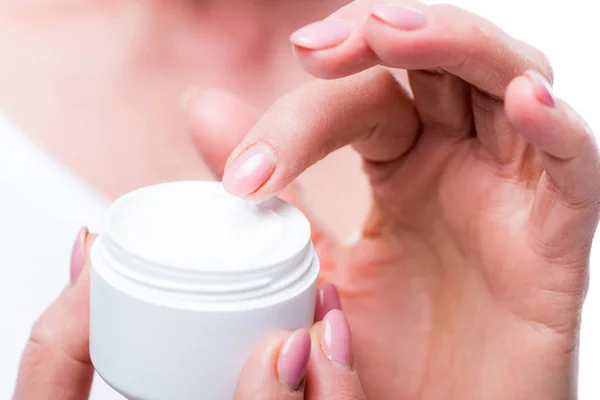
These application therapies are available in various forms, such as creams, tablets, or rings. This therapy aims to restore moisture and elasticity to vaginal tissues without the systemic effects of oral estrogen. Applying localized estrogen can lead to significant improvement, alleviating discomfort and enhancing sexual health and intimacy.
Yes, these medications and prescriptions can mimic estrogen to help keep the vaginal tissue moist… But! Please keep in mind that this type of therapy may not be ideal for everyone. It can cause the lining of the uterus to get thicker, and this also means that there could be an increased risk of endometrial cancers.
How About Non-Hormonal Alternatives
For women who prefer to avoid hormonal treatments, there are non-hormonal lubricants and moisturizers specifically designed for vaginal dryness. There are some natural moisturizers such as Olive oil, and even Coconut Oil, and these may need to be re-applied practically everyday. These products can provide immediate relief during intimate moments and help maintain moisture over time. Naturally produced moisture helps as well since it keeps the vagina healthy and lubricated while enabling you protection against infections.
Look for options that are free from irritants and are compatible with condoms if you are sexually active.
Try The Power of Exercise
Staying active is essential, maybe you take up a little dance class or a walking session. The ideal thing is to keep moving and being active especially during menopause, not only for overall health but also for its potential benefits regarding vaginal dryness.

Regular exercise can improve circulation, enhance libido, and help maintain hormone balance. Pelvic floor exercises, commonly known as Kegel exercises, can strengthen pelvic muscles, potentially improving vaginal elasticity and sensation. Other forms of exercise can include:
- Having Sex: Yes it works! as the entire body is engaged in sex, while creating an antidote to your vaginal dryness. As a woman is aroused, blood will flow will increase to the genitalia, and cause an increase in secretion and moisture in the vaginal tissues. This helps remedy dryness too!!!
- Quick Workout Session: If you can – then you can take up a moderate exercise which gets you just a bit breathless and makes you warmed up. Something like a Yoga Class, or a Brisk Walk or Jog a few days a week for about 30 mins each session can help.
Prioritize Emotional and Mental Health: Menopause is as much an emotional journey as a physical one.
Changes in mood and anxiety can exacerbate discomfort associated with vaginal dryness. Engaging in stress-reducing activities such as yoga, meditation, or simply spending time with friends can provide relief. Seeking support from mental health professionals or support groups can empower women to share their experiences and strategies.
Open Communication with Partners
Having open dialogue with partners is crucial. Discussing comfort levels and finding mutually satisfying solutions can strengthen intimacy and foster understanding. Finding ways to slow down and focus on foreplay can enhance natural arousal, making intimacy even more comfortable. Remember when there isn’t much lubrication during sexual arousal, the vagina becomes dry and irritated.

Similarly using an over the counter lubricant will help minimize any discomfort during sex.
Maybe its a lubricant that is silicone-based or even water-based. This may be selected on your personal preference or even that of your partner. Just remember to watch for some of these OTC lubs as they can mess with your pH balance and we know that is another nightmare.
While vaginal dryness can be challenging, it’s important to know that numerous options and strategies are available to manage. By exploring dietary practices, therapeutic choices, exercise, and emotional well-being, we can navigate this transition with confidence, with comfort and even with renewed vitality.