
The Science, Applications, and Suitability of PRP
Imagine drawing a small tube of your own blood and turning it into a healing power-house. That’s the promise of Platelet-Rich Plasma therapy, or PRP therapy. This treatment uses parts of your blood to speed up repair in injured areas, without surgery or drugs from outside. People are seeking it out more and more of recent times as they look for ways to heal naturally. In this article, we’ll look at what PRP therapy really is, how it kick-starts your body’s fixes, and also who stands to gain the most from it.
PRP, draws from fields like bone and joint care, skin health, and even hair growth. Doctors have used it for years to treat stubborn pains and wounds. Now, it’s easier to access in clinics around the world.
What exactly is Platelet-Rich Plasma (PRP) Therapy?
Platelet-rich plasma therapy starts with something simple: your blood. It concentrates the good stuff in it to help tissues mend. Think of it as boosting your body’s own repair kit. This method fits into regenerative medicine, where the goal is to restore rather than to just mask problems. No need for foreign chemicals here. It’s all about amplifying what your body already does well.
Patients often choose PRP for its low risk and quick recovery.
Platelets and Growth Factors
Platelets are tiny cells in your blood that help stop bleeding. When you cut yourself, they rush in to form clots. But they do more than that – they also carry growth factors. These factors act like signals, and they tell cells to grow, divide, and fix damage. Key ones include Platelet Derived Growth Factor (PDGF), which builds new tissue, Transforming Growth Factor-Beta (TGF-β) for cell growth, and Vascular Endothelial Growth Factor (VEGF) for new blood vessels.
In Platelet Rich Plasma (PRP) Therapy, we pack these platelets high. Normal blood has about 200,000 platelets per tiny drop. PRP can hit 1 million or more. This concentration turns a whisper into a shout for healing in your body.
The Preparation Process
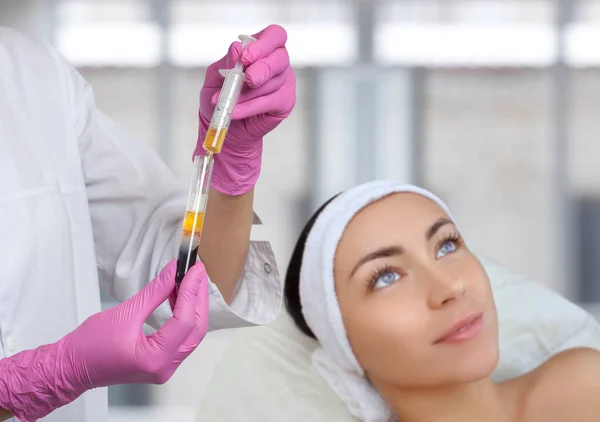
The whole thing takes less than an hour in most clinics. First, a nurse draws about 30 to 60 millilitres of your blood. It’s like giving a routine sample of blood. Next comes centrifugation, where a machine spins the tube fast. This separates the blood into layers: red cells at the bottom, then platelets in plasma, and clear fluid on top.
The doctor pulls out the mid layer which is rich in platelets. Concentrations may vary, but some kits aim for four to five times the normal level. This golden liquid is ready for the shot.
How Compatible Is It With You?
PRP is autologous, meaning that it comes from you. Therefore your body won’t fight it like it, No allergies or odd reactions. This setup cuts infection risks too. Since it’s your own blood, germs from outside stay out. It matches your biology perfectly and that’s why doctors trust it for sensitive spots like joints or skin.
How PRP Stimulates Healing
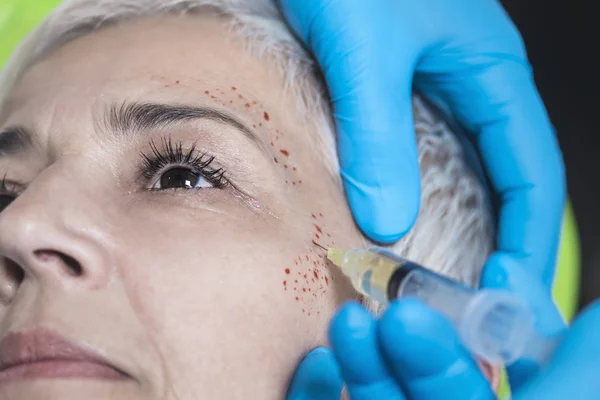
Once injected, PRP doesn’t just sit there. It triggers a chain of events in the hurt area. This is the heart of how platelet-rich plasma therapy works in waking up your natural repair system. The process mimics injury response but amps it up. Growth factors flood the site, and they guide cells to rebuild stronger.
The Growth Factor Release Cascade
Platelets activate on contact with damaged tissue. They burst open, or degranulate. This releases bundles of growth factors right where needed on site. PDGF draws in repair cells. TGF-β shapes a new matrix for support. VEGF builds vessels to feed the area. It’s like a party invite for healing crews.
These signals last days, not minutes. That keeps the fix going strong.
Recruiting Stem Cells and Inflammation Mediated
Growth factors call stem cells from nearby. These blank-slate cells turn into what the tissue needs -muscle, bone, or skin. PRP also tweaks swelling. Normal inflammation clears junk but can linger. Here, it shifts to regeneration mode, less scar and more function. Just picture a construction site. Instead of patching quickly, PRP builds a solid foundation, and you notice less pain as balance returns.
Who Is PRP For?
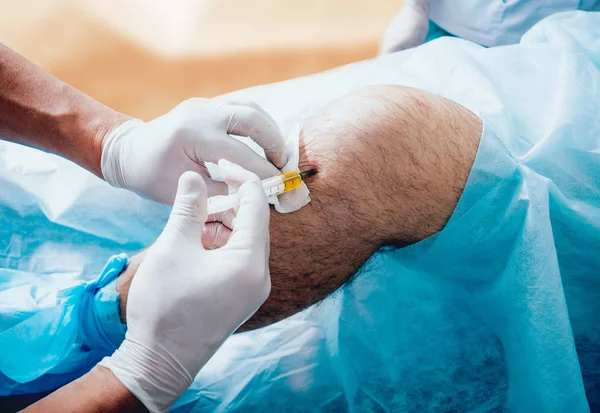
Platelet-rich plasma therapy suits many. It’s not a cure-all, but for certain issues, it shines. Who gets the most from it? Folks with nagging injuries or slow healers. From sports pros to everyday aches, it helps.
Dermatologists use it for looks. Wound care teams apply it for tough spots.
Orthopedic and Sports Medicine
PRP tackles chronic tendon issues like tennis elbow. Pain from over-use eases as fibres mend. Achilles tendonitis responds well too. For knee osteoarthritis, it cushions joints. Partial ligament tears in ankles heal without full cuts.
For complete ruptures, surgery may still be needed, however a few areas it may be applied include:
- Tennis elbow: Reduces grip pain in 3-6 sessions.
- Knee OA: Boosts cartilage signals.
- Rotator cuff strains: Speeds shoulder recovery.
Hair Restoration – Dermatology
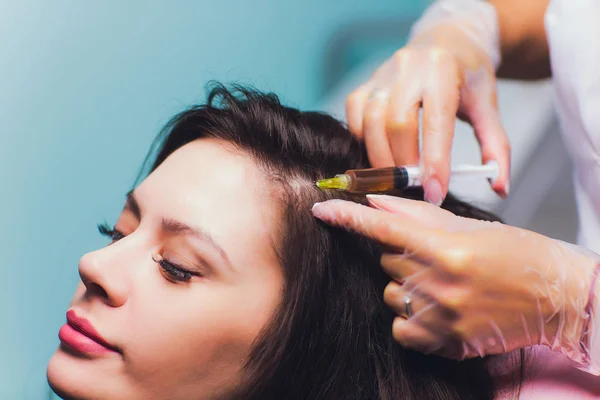
Pattern baldness hits men and women. PRP awake dormant follicles. Injections every month for three rounds, thicken hair.
The “vampire facial” mixes PRP with micro-needling. It plumps skin, fades lines. Collagen surges, giving a fresh glow. Dermatologists love it for acne scars. Sessions build even tone.
Who benefits? Those with early thinning or mild ageing. Avoid it if you have active scalp sores.
Chronic Wound Healing and Other Applications
- Diabetic ulcers heal slowly. PRP speeds closure by 40% in some studies. It fights infection and grows skin.
- In urology, it aids erectile issues from poor flow. Gynaecology uses it for vaginal dryness post-menopause.
- Burn victims see less scarring. It’s versatile for non-healing spots. Always pair with standard care.
PRP Therapy Procedures
Getting PRP feels straightforward, you walk in, get a draw, and leave with a plan, But! know what to expect. Sessions last about 45 minutes, no big downtime, and most persons return to light tasks the same day. However overall healing builds over weeks.
Treatment Protocols and Frequency
Based on consultation with your clinician you can start with one to three sessions, spacing them four to six weeks apart. This builds results.
For maintenance, of results some may need a booster yearly. For hair, quarterly works, of course consult your therapist. You can then track your progress as you check-in periodically.
PRP Therapy Consider It
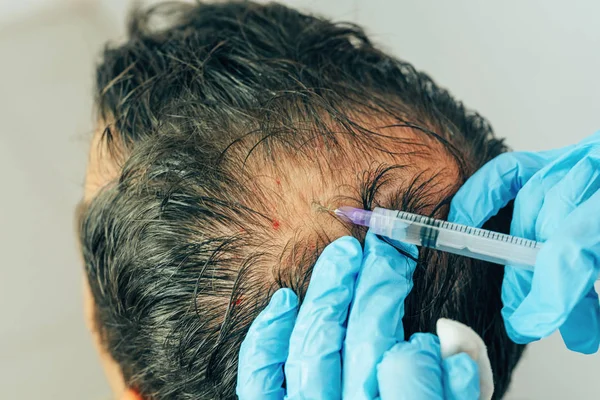
Platelet-rich plasma therapy, harnesses your blood’s power for real repair. It’s minimally invasive, safe, and taps natural paths. From joints to skin, it aids those stuck with slow heals.
Who does it fit? Active folks with chronic woes, hair loss seekers, wound fighters. Growth factors rally cells and your concentrated platelets at work, to repair the damaged area. As research grows, PRP joins everyday care. Talk to a pro. It could change your recovery game.