

Managing The Challenges & Life Beyond the Diagnosis
Receiving a diagnosis of ameloblastoma can feel overwhelming. Although this rare, usually non-cancerous tumor develops in the jaw and often grows slowly, it can have a significant impact on your physical health, appearance, and your emotional well-being. For many women, navigating treatment while balancing family-life, work, and various personal responsibilities, adds another layer of complexity.
The good news is that with the right support and self-care strategies, it is possible to live well and confidently after diagnosis.
Understanding the Journey
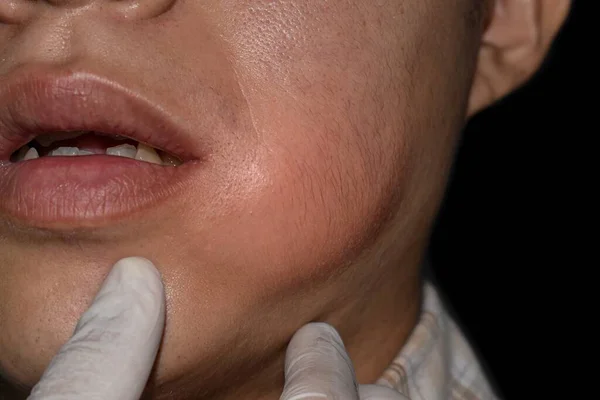
Ameloblastoma most commonly affects the lower jaw and is typically treated through surgery. Ameloblastoma primarily originates from the cells that form the enamel in teeth, often leading to localized swelling in the jaw. While it is not cancerous, the tumor can be aggressive, requiring treatment to control its growth and mitigate symptoms. The most common symptoms include jaw swelling, pain, and difficulty in chewing or speaking.
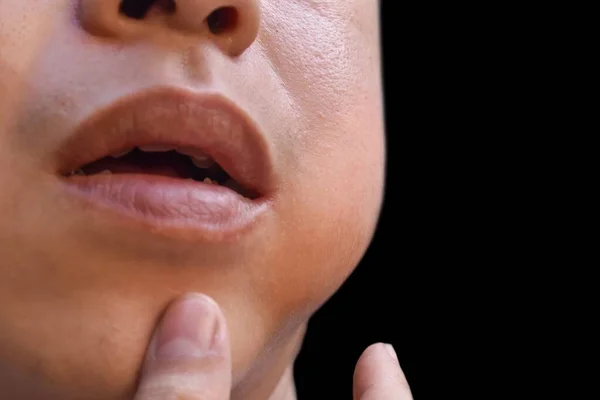
Depending on the size and location of the tumor, treatment may involve jaw reconstruction, dental rehabilitation, and then ongoing monitoring. Recovery can be quite a lengthy process, requiring patience and adaptability as your body heals. Early diagnosis is crucial in preventing complications and ensuring that you have more options available for treatment.
Each person’s experience is unique, when handling this condition. Some women may face changes in their facial appearance, in speech, or eating habits, while others may experience anxiety about a possible recurrence. Acknowledging these challenges is an important first step toward managing them effectively.
Prioritizing Physical Health
If you suspect you may have ameloblastoma, it’s essential to consult with a healthcare professional, preferably a dentist or oral surgeon. Diagnosis generally involves imaging tests like X-rays, CT scans, or MRIs, and a biopsy to confirm the presence of the tumor. If positive, understanding your specific type of ameloblastoma, whether solid or multilocular, can help tailor your treatment options.

Following your health-care team’s recommendations is essential. Regular follow-up appointments help monitor recovery and detect any signs of recurrence early. Maintaining a good oral hygiene is also crucial, particularly if surgery or reconstruction has affected your teeth and gums.
Nutrition plays a major role in healing. During recovery, soft, nutrient-dense foods such as smoothies, soups, yogurt, and mashed vegetables can provide the necessary vitamins and minerals while minimizing discomfort. As your healing progresses, a balanced diet rich in fruits, vegetables, lean proteins, and whole grains, supports overall health and energy levels.
Gentle physical activity, once approved by your doctor, can also boost mood, improve circulation, and aid recovery.
Your Emotional Well-Being
The emotional impact of ameloblastoma is so often underestimated. The changes in appearance or concerns about your future health can affect your self-esteem and confidence. It is important to remember that emotional healing deserves just as much attention as physical recovery.

Talking openly within your trusted circle of friends, family members, or even a mental health professional can help process difficult emotions. Many women also find comfort in connecting with support groups, where shared experiences create a sense of understanding and community. Seeking therapy or counseling can be beneficial to deal with feelings of anxiety or uncertainty that may arise during this journey.
Practices such as mindfulness, meditation, journaling, or yoga may help reduce stress and promote emotional resilience during any of the challenging periods.
Rebuilding In Confidence
Recovery often involves adjusting to a “new normal.”
If surgery has altered your appearance, give yourself some time to adapt. The amount of time is totally up to you. Just remember that self-confidence is not only defined by physical features alone. It is built through self-compassion, strength, and the ability to overcome adversity.
Inevitably, adjusting your lifestyle can also assist in managing your health. Maintaining a balanced diet, staying hydrated, and engaging in regular physical activity can support your overall well-being. Connecting with a nutritionist experienced in oncological care may help tailor your diet around the treatment effects you experience.
Do also consider focusing on activities that bring joy and fulfillment, whether that’s pursuing a hobby, spending time with loved ones, traveling, or exploring new personal goals. Celebrating small milestones throughout recovery can help reinforce a positive outlook.
Looking Ahead
Living with ameloblastoma requires ongoing care, But!!! It does not have to define your life.

In prioritizing physical health, nurturing emotional well-being, and building a strong support network, women can continue to thrive beyond their diagnosis. While the journey may present challenges, it can also reveal remarkable resilience, courage, and strength. With knowledge, support, and self-care, life after ameloblastoma can be rich, meaningful, and full of possibility.
This also can extend to you being a leader in this space, and create opportunity for others to heal and build their confidence levels.
By working closely with your healthcare team and leaning on the support of loved ones, you can navigate this journey with resilience and empowerment.
Remember, you are not alone, and there are resources and communities available to support you every step of the way.