

The Wellness Ritual, That Your Friends Talk About
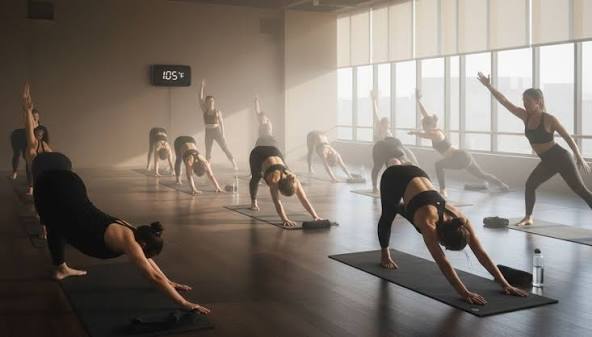
There were and still are times that doing yoga was synonymous with quiet studios, soft lighting and gentle stretches. As of today, there is a growing number of wellness enthusiasts, who are stepping into studios where the temperature rises, and rising as much as the challenge ahead. The new challenge is that called heated yoga, and it has become one of the more recently sought-after fitness experiences. There is the blending of mindful movement completed within an invigorating environment that leaves many participants feeling stronger, calmer and also deeply refreshed.
It doesn’t matter if you are a seasoned yogi or just simply curious about what happens in a heated studio, understanding the practice, while separating fact from fiction, can help you to decide if it’s the right addition to your health and wellness routine journey.
So! What Is Heated Yoga?
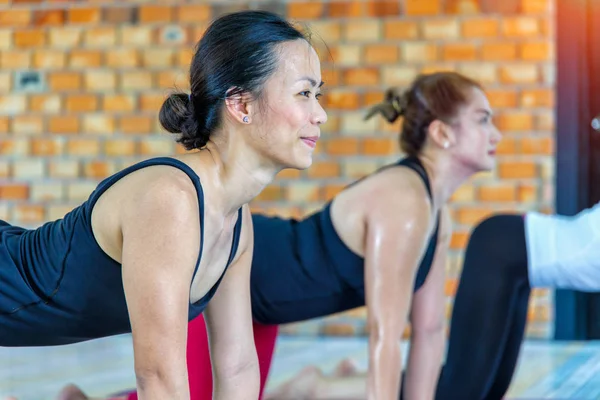
Heated yoga is exactly as it sounds. It is yoga, which is practised within a temperature-controlled room that is warmer than a traditional studio. Also depending on the class, temperatures can typically range from 27°C, and up to 40°C (80°F to 105°F). Some styles based upon the respective person and group can also incorporate an even higher humidity.
The added warmth, is designed to create a comfortable environment for movement, while encouraging perspiration and offer a different physical experience from your usual room-temperature yoga session.
Why Are So Many Women Loving It?
Increased Flexibility – Warm muscles naturally move much more freely. This allows many practitioners to explore a greater range of motion. While the heat does not magically improve your flexibility overnight, it can make stretching feel much more comfortable when it is approached mindfully.
A Full-Body Workout – Many heated yoga classes combine strength, balance, mobility and cardiovascular endurance into a single session. Moving continuously in a warm environment can elevate your heart rate, making the practice feel more physically demanding than traditional yoga.
Stress Relief – The combination of focused breathing, mindful movement and a distraction-free environment creates an opportunity to disconnect from daily pressures. Many women leave this yoga class feeling mentally lighter as well as more physically energised.

Improved Body Awareness – Practising yoga in a heated room encourages the participants to pay close attention to how their bodies feel. This will include learning when to push themselves a bit more, or when to pause, and when to modify poses. Doing so builds both physical confidence and mindfulness.
A Luxurious Wellness Experience – For many, heated yoga is as much about the ritual as it is about the workout. Walking into a warm studio, flowing through intentional movement and leaving with that unmistakable post-class glow has become such an essential part of our modern self-care.
Common Misconceptions – Be Aware
“Sweating Means You’re Burning More Fat”

This is perhaps the biggest myth surrounding performing heated yoga. While you will likely sweat much more than you would in a regular yoga class, perspiration is primarily your body’s cooling mechanism. Most of the weight lost during class is simply water, which returns once you rehydrate.
The true benefits come from doing the movement in itself, and not the amount of sweat, that you produce.
“It Detoxifies the Body”
It is common to hear people describe sweating as “detoxing”. Your body already has highly efficient systems for removing waste through various organs such as the liver and kidneys. Sweating helps to regulate your body temperature rather than eliminating toxins.
“It’s Only for Advanced Yogis”
Heated yoga can appear intimidating, but many studios offer beginner-friendly classes. The keyvfor you is in choosing the right level and also in giving yourself permission to rest whenever needed.
“The Hotter, the Better”
Not necessarily. Higher temperatures do not automatically produce better results. Many practitioners find that moderately heated classes are just as rewarding, while placing less stress on the body.
Popular Styles of Heated Yoga
Bikram Yoga

Perhaps the best-known style, Bikram Yoga follows the same sequence of 26 postures and two breathing exercises in every class. Sessions are traditionally held in a room heated to approximately 40°C (105°F) with elevated humidity.
Consistency is one of its defining features. Every class follows the same carefully structured format.
Heated Vinyasa
Heated Vinyasa offers a more fluid, creative experience. Rather than repeating a fixed sequence, instructors link movement with breath, and in flowing routines that vary from class to class. The room is usually warm rather than extremely hot, making it a popular choice for those seeking some variety in movement.
Hot Power Yoga
Power Yoga combines athletic movement with traditional yoga principles. You should expect dynamic sequences that build strength, endurance and stability while maintaining mindful breathing throughout.
Warm Yin Yoga
For those seeking restoration rather than intensity, Warm Yin Yoga focuses on slower, longer-held stretches in a gently heated room. It is an excellent complement, to strength training or your high-impact exercise routine.
What to Watch Out For
While heated yoga is safe for many healthy adults, it does require a little bit of extra preparation.

Stay Hydrated
Begin hydrating before class rather than waiting until you’re thirsty. Replenishing fluids afterwards is equally important, especially if you’ve perspired heavily.
Don’t Chase the Deepest Stretch
Heat can create the illusion that your muscles are capable of more than they safely are. Resist the temptation to force flexibility simply because your body feels looser. Just take it one stretch at a time.
Listen to Your Body
Feeling challenged is quite normal. Feeling dizzy, nauseous or faint is not. If you begin to feel unwell, pause, sit down or step outside the studio until you recover. You know your limits.
Eat Wisely
Arriving with a very full stomach can be uncomfortable in a heated environment. A light snack one to two hours beforehand is often more comfortable, than a heavy meal immediately before your class.
Know When to Skip It
If you are feeling unwell, dehydrated or recovering from any illness, it simply may be best, to choose a gentler workout. Those who are pregnant or have certain specific medical conditions, particularly those involving the heart, blood pressure or heat sensitivity, should consult their healthcare provider before participating in heated yoga classes.
Is Heated Yoga Right for You?
Like many wellness practices, heated yoga isn’t about perfection, but it’s about finding a style that supports your body and lifestyle.

Some women fall in love with the energising challenge of a hot power flow, while others prefer the calming stretches of a warm yin class. There is no single “best” option, only the one that leaves you personally feeling stronger, more balanced and eager to return.
In the end, heated yoga is less about enduring the temperature and more about embracing mindful movement in an environment that encourages focus, resilience and self-care. When your approach this with realistic expectations, proper hydration and respect for your body’s limits, it can become a rewarding part of a well-rounded wellness routine. One that nourishes both body and mind long after you’ve rolled up your mat.