

Understanding Rhinoplasty: What You Need to Know
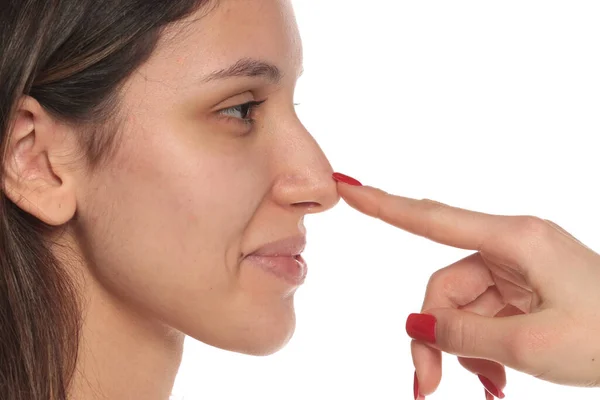
Rhinoplasty, commonly known as a nose job, is a cosmetic surgical procedure that alters the shape of the nose. This proceedure can be used to improve self-esteem as well as in other instances to enhance facial harmony. This surgery which is quite popular as well, can address a variety of concerns. These can go from features such as adjusting the size and width of the nose, right to refining the tip or correcting a crooked nasal bridge.
For many, rhinoplasty is not just about aesthetics, but can also be about feeling confident and comfortable in their own skin.
Why Do People Choose Rhinoplasty?
Individuals seek rhinoplasty for numerous reasons. Some may have long felt dissatisfied with the appearance of their nose, while others may have sustained injuries or experienced congenital deformities that affect their nose’s shape. A well-proportioned nose can bring balance to the face, enhancing one’s overall appearance. This can also lead to a great form of self-confidence.
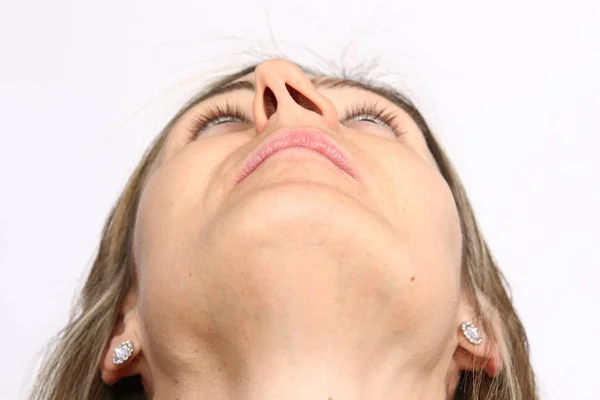
Quite a few persons indicate that their self-esteem and confidence soars higher as their new look and their personal aesthetic goals align. This also leads to an increase in their self-assurance in social and professional interactions. Persons feel more confident in various situations.
Some undergo rhinoplasty for functional reasons. These can be those such as breathing difficulties due to structural issues within the nose, and this may also be considered as functional rhinoplasty. These can include instances where there are structural abnormalities that impact and hinder the normal airflow through your nose. Other reasons may also include if there has been some form of trauma, such as a broken nose due to an accident or sporting injury which may impact how you well you can breathe. A fractured nose can possibly have some form of displaced nasal bones or damage to the nasal cartilage or even the deviation of the septum.
The rhinoplasty proceedure may also be used as a form of correction for congenital conditions – where the person has been born with a blocked, crooked or off-centre nasal septum/airway. Therefore there is a bit of difficulty in breathing through the nose. Sometimes there may be other reasons to cause the nasal passage to become deviated – and therefore a common reason to undergo rhinoplasty.
The Rhinoplasty Procedure

The surgical procedure typically lasts between one to three hours, depending on the complexity of the case. It can be performed under general anesthesia or local anesthesia with sedation, depending on the individual’s needs and that of the surgeon’s recommendations.
The surgeon may use an open or closed technique.
In the open technique, incisions are made on the columella (the tissue between the nostrils), allowing greater visibility and access for the surgeon. The closed technique involves incisions made within the nostrils, which results in no visible scars.
Any Associated Risks and Considerations

While rhinoplasty is generally safe, like any surgical procedure, it still carries certain risks. Possible complications can include excessive bleeding, infection, scarring, and even adverse reactions to the anesthesia. What you should also bear in mind is that the outcome may not meet one’s exact expectations.
It is therefore ideal to discuss desired results with the surgeon. This is crucial to ensure realistic expectations.
One of the most vital aspects of preparing for rhinoplasty is having a through go-through on what will happen and possible outcomes with your surgeon, and this particular procedure. Your practitioner will sit you down and detail the potential risks, benefits, as well as the recovery process. The aim is to help you make an informed decision.
Recovery and Side Effects
Recovery after rhinoplasty typically involves swelling and bruising around the nose and eyes. This will of course diminish over the course of a few weeks. Patients are advised to rest and avoid strenuous activities for several weeks to ensure proper healing.

Although many individuals may start to see the results after a few weeks, the final outcome can take up to as much as a year. This happens as the nose settles into its new shape.
Therefore it is important to weigh the benefits and the risks of having a nose-job. Is it for your confidence or for beauty? Is it because there is some structural damage or genetic issue causing the trauma? Why do you want to have the job done? Be sure to still have some realistic expectation for your resulting recovery, and overall image.
With the right approach, rhinoplasty can provide lasting satisfaction and a renewed form of self esteem. You can also let us know what you think!