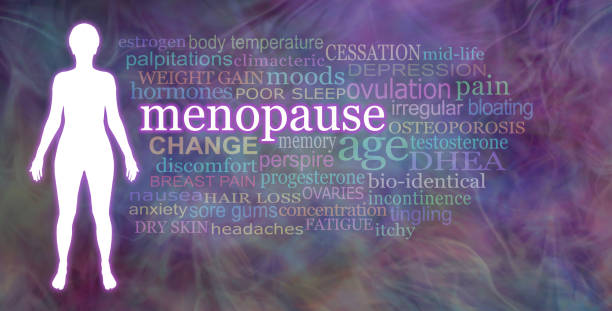


Mental Health & Pregnancy: Understanding, Managing, and Nurturing Your Well-Being
Pregnancy is often described as a beautiful journey filled with anticipation and joy, but, for many women, it can also bring emotional ups and downs that are difficult to navigate. Between the hormonal changes, physical discomfort, and the weight of upcoming life changes, it is completely normal to experience mood swings, anxiety, or even feelings of isolation. Still, maintaining good mental health during pregnancy isn’t just important for you, it also has a direct impact on your baby’s well-being.
Here we can look and delve into how pregnancy affects mental health, Why does it matter? and, What you can do? To take care of yourself during this transformative time.
The Emotional Rollercoaster of Pregnancy

Pregnancy triggers significant hormonal fluctuations. It is these unpredicted changes, highs and lows, that can affect mood and emotions. Estrogen and progesterone levels rise dramatically, influencing brain chemistry and emotional regulation. This is why many expectant mothers experience sudden changes in mood, crying one moment and laughing the next.
Along with these hormonal shifts, there can also be the emotional pressure of preparing for motherhood, whether from your ownself or that of our circle of friends and associates as well. The subtle expectations.
Common worries may include whether you think you’ll be a good parent, or, how your relationship might change, or how to handle the financial and lifestyle adjustments that come with having a baby. It’s easy to feel overwhelmed, but recognizing these emotions as part of the process can help you manage them even more effectively. Be aware and be mindful.
When Normal Stress Becomes Something More
Feeling anxious from time to time is natural, but feelings such as persistent sadness, hopelessness, or even constant worry may signal prenatal depression or anxiety. According to the American College of Obstetricians and Gynecologists (ACOG), around 1 in 7 women experience depression during pregnancy.
Here Are Some Signs To Look Out For:
• Trouble sleeping – This is beyond normal pregnancy discomfort
• Loss of interest in things you used to enjoy
• Constant fatigue or an extended lack of motivation
• Difficulty concentrating, even for very short periods
• Feelings of guilt or worthlessness
• Persistent fear or panic about the baby’s health or childbirth
If you notice these symptoms lasting for more than two weeks, it is quite important to speak to your healthcare provider. These conditions are treatable, and as early an intervention as possible, can make a huge difference.
Why Maternal Mental Health Matters for Your Baby
Your emotional well-being affects your baby in more ways than you might think.

Chronic stress or depression during pregnancy can influence foetal development by affecting hormones, blood flow, and even the baby’s stress response system.
Research has shown that babies born to mothers who experience untreated depression may be more likely to have lower birth weights, developmental delays, or even behavioural issues. On the other hand, when mothers manage their mental health effectively, it promotes a calmer womb environment and supports healthy growth and brain development of the unborn baby.
Taking care of your mental health is not selfish, think of it as one of the best gifts that you can give to your child.
Practical Ways to Support Your Mental Health during Pregnancy
- Talk About How You Feel: Don’t keep your emotions bottled up. Share your thoughts with your partner, close friends, or family. Sometimes, simply voicing your fears can ease the pressure. Joining a prenatal support group can also help you connect with others who understand what you’re going through.
- Stay Active: Gentle exercise such as walking, pre-natal yoga, or swimming, releases endorphins which are natural mood lifters. Always check with your doctor before starting a new routine, but most moderate physical activity is beneficial for both you and your baby.
- Eat well and Stay Hydrated: Nutrient-rich foods like leafy greens, whole grains, and lean proteins support both mental and physical health. Omega-3 fatty acids found in salmon and flax-seed are particularly good for brain function and mood balance.
- Prioritize Rest: Fatigue can magnify stress and irritability. Create a calm bedtime routine and rest when your body tells you to. Even taking short naps can make a difference.
- Practice Mindfulness and Relaxation Techniques: Deep breathing, meditation, or simply focusing on your baby’s movements can help ground you in the moment. Apps or guided meditations designed for pregnancy can also be useful tools for relaxation.
- Limit Over-exposure to Negative Information: While it’s good to stay informed, constantly reading about pregnancy risks or birth complications can heighten anxiety. Choose reliable sources and step away from social media when it starts to feel overwhelming.
- Seek Professional Support When Needed: Therapists specializing in perinatal mental health can provide coping strategies tailored to your situation. In some cases, medication may be necessary, and many safe options exist for pregnant women under medical supervision.
Its About Your Emotional Wellness
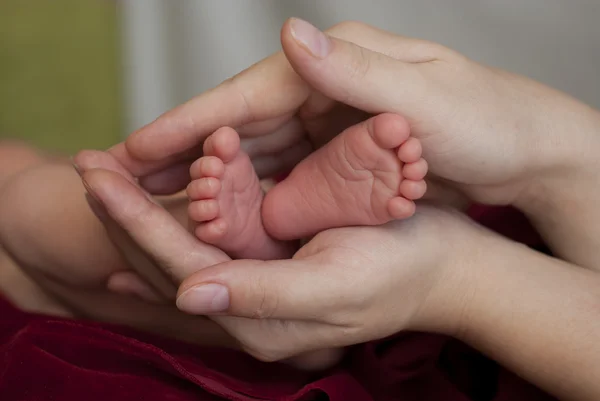
Pregnancy can be both wonderful and challenging at the same time. It’s perfectly okay to admit when you’re struggling since asking for help doesn’t mean you’re failing as a mother. Instead, it shows you’re taking an active step toward protecting your health and that of your baby.
Whether it’s talking to your doctor, attending a support group, or leaning on loved ones, remember that emotional wellness is just as important as prenatal vitamins and regular checkups. A healthy mind helps nurture a healthy baby.