
Desmoid Fibromatosis: What You Need to Know to Manage It
Desmoid Fibromatosis. This rare condition might not be on your radar, but understanding it can empower you to take charge of your health, or that of a loved one. So, what exactly is Desmoid Fibromatosis? It is a type of benign tumor that arises from the connective tissue, specifically the fibrous tissue. It is a rare type of soft tissue tumour.
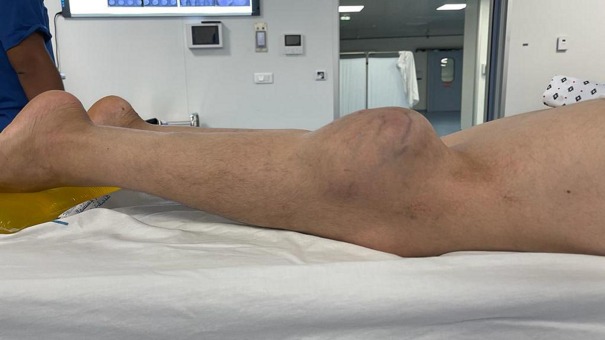
Though not cancerous, these tumors can be quite aggressive and locally invasive, thereby causing pain and also disrupting surrounding tissues. Most cases of Desmoid Fibromatosis do not metastasize, meaning that they generally don’t spread to other parts of the body. It is therefore considered an intermediate tumour, where, it is in the area between non-cancerous and cancerous tumours, and with the main symptom being a lump. These tumours may be found on the arms, legs or abdomen, or at times in the neck and head region.
Who Is At Risk?
Desmoid Fibromatosis is more common in women, than men and often surfaces during the child-bearing years. Those persons with a history of genetic conditions, like familial adenomatous polyposis (FAP), also have a higher risk. Other factors that may increase your risk include previous abdominal surgery, trauma to the area, or certain hormonal influences. If you find yourself nodding along with any of these risk factors, it may be worth bringing it up during your next doctor visit.
When it comes to recognizing the symptoms, keep an eye out for swelling or a lump in your abdomen, limbs, or other areas of your body. It can sometimes cause discomfort or pain, and the growth can vary in size.
Remember, if you’re experiencing any unexplained symptoms, it’s always best to consult with a health-care professional who can guide you.
Managing & Treating Desmoid Fibromatosis Can Be A Journey.
The first step typically involves a thorough evaluation, including imaging studies and an accurate diagnosis. Your healthcare team will likely discuss several treatment options based on the tumor’s size, location, and your overall health.
For many women, active surveillance, where the condition is monitored closely without immediate treatment, can be an effective strategy, for abaout 1 – 2 years with the medical team, especially if the tumors are asymptomatic. Sometimes, surgery is recommended to remove the tumors if they are causing issues. However, because Desmoid Fibromatosis can be tricky to eradicate completely, some doctors may prefer a conservative approach first.

In addition to surgery, there are other treatment options, including physical therapy, medications to shrink the tumors, and even radiation therapy in certain cases. Tyrosine Kinase Inhibitors, a newer class of medication, have shown promise in shrinking these tumors as well.
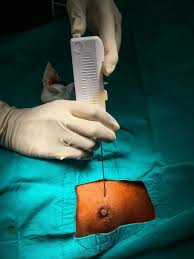
Overall, there should be a clinical examination to look at and get a feel of the lump. This may then be extended to a scan of the tissue with ultrasound or even MRI techniques.
To further this, a core needle biopsy may be done, generally under local anaesthetic and sent for lab analysis.
Should further intervention be required, other treatment options such as radiotherapy may be done. This may not shrink the tumour however, and as a resort surgery may then have to be done. This has to be carefully balanced, as repeated surgery if done, can cause the tumour to be aggresive in growth and recurrence.
Remember, it is essential to advocate and communicate openly with your healthcare provider.
Surrounding yourself with a supportive community, whether that’s friends, family, or online groups, can also help you manage the emotional weight of living with Desmoid Fibromatosis. While Desmoid Fibromatosis is a rare condition that can impact your quality of life, understanding it can make a world of difference to you or someone you love.