


Be Aware and Be Guided
Every year, cervical cancer strikes over 600,000 women around the world. It takes about 350,000 lives, and mostly in those places with limited health care. Yet, this disease is one of the most preventable cancers thanks to simple screening tests that identify and catch the problems early.
We seek to cover some of those things that you will need to know about cervical cancer screening. It explains the tests, when to get them, and what to do if results show issues. By following these preliminary steps, you can take charge of your health and lower your risk.
Additionally you can also make it an easy convo with your circle of friends and family without the pressure of subjectivity.
Understanding Cervical Cancer and the Role of Screening
Where Does It Start
Cervical cancer starts in the cervix, the lower part of the uterus that connects to the vagina. Most cases link to a virus called human papillomavirus, or HPV. This virus spreads through skin-to-skin contact during sex and can lead to cell changes over time if it does not clear up.
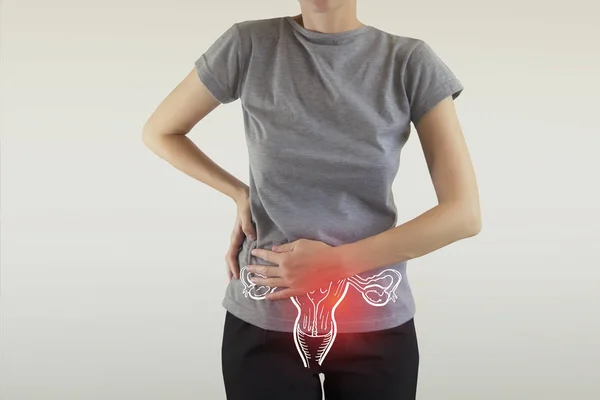
The tests will look for any abnormal cells or even for the HPV virus itself. Screening plays a key role, because it spots these changes before they turn into cancer. Early findings will mean that the doctors can treat any issues arising fast, often stopping cancer from forming…
Within North America, screening has cut cervical cancer deaths by more than 75% since the 1950s. Globally, the World Health Organization notes that regular checks could prevent up to 90% of cases in low-resource areas. These facts continue to highlight why getting screened matters so much.
What is Cervical Cancer?
The cervix acts like a gateway for the uterus, and any cancer there grows slowly from abnormal cells. High-risk HPV cells cause nearly all of the cases, as they tend to damage the DNA in the cervical cells.
Now, it is without treatment, that these changes can spread. Generally many women clear the HPV on their own. The primary key is watching for those cells that stick around and can cause potential trouble. Think of it like a garden: The HPV is like a weed that might pop up, but screening pulls it out before it overtakes everything.
The Power of Prevention Through Screening
Screening detects dysplasia, which are pre-cancerous spots or lesions on the cervix. These lesions can reverse at times or be removed if found soon. However, further ttudies show that early intervention cures over 99% of pre-cancers.
Without screening, the symptoms often appear late, and when treatment gets harder. This is where the benefit of a regular test, gives you the peace of mind and control. It turns a hidden risk into a manageable one.
Epidemiology Snapshot: Cervical Cancer Statistics
In 2023, the U.S. saw about 13,800 new cervical cancer cases and 4,300 deaths. Rates have dropped thanks to better screening and HPV vaccines. Demographically, Black and Hispanic women face higher risks due to access gaps.
Worldwide, the disease hits hardest in sub-Saharan Africa and parts of Asia, with over 90% of deaths there. The American Cancer Society reports that vaccination could slash cases by 93% in coming decades. These numbers highlight the need for global efforts in screening.
In 2026, experts predict continued declines in screened populations.
Primary Screening Methods: What Happens During a Test?
Two main tests help detect cervical issues: 1) The Pap test, and 2) The HPV test. Both involve a quick pelvic exam in a doctor’s office. You lie on your back with feet in stirrups while the provider uses a speculum to view the cervix. The process takes just minutes and feels like a mild pinch. No anesthesia needed.
The Pap Test (Cytology): Detecting Cell Changes

During a Pap test, the doctor gently scrapes cells from the cervix with a soft brush or spatula. These go to a lab where experts check for odd shapes or sizes in the cells. Developed in the 1940s, it has saved countless lives by spotting changes early. The test flags issues like inflammation or infection too.
Yes there can be the false positive which can happen sometimes, but with a follow-up it can verify the final results on if you are clear or if there are cells which are likely to cause risk. Having more than one test can highlight with more accuracy the results.
HPV Testing: Identifying the Root Cause
HPV testing checks for the virus’s DNA in cervical cells. Often, providers collect samples the same way as a Pap, in a co-test. It shines at finding high-risk types that could lead to cancer down the line.This test beats Pap alone in spotting future dangers, with higher sensitivity. Guidelines now favor it for women over 30. It’s key because HPV drives 99% of cases.
A positive result does not necessarily mean cancer as most infections fade. What this will do is keep you on alert and should prompt for a monitoring and maybe a follow-up as to what direction the cells go.
Actionable Tip: Preparing for Your Screening Appointment
Skip douching or using vaginal creams for about two days before your schedule test appointment. You should also avoid sex or tampons in that time too. These can wash away cells or cause irritation within the cervis and therefore mess with accuracy of your results…
Schedule the test when you’re not on your period and wear comfy clothes for the exam. Eat light if nerves hit, but stay hydrated. Good prep makes the test reliable and enhanced accuracy.